Real Estate Investing
How to Read a Local Market (Not Just the Headlines)
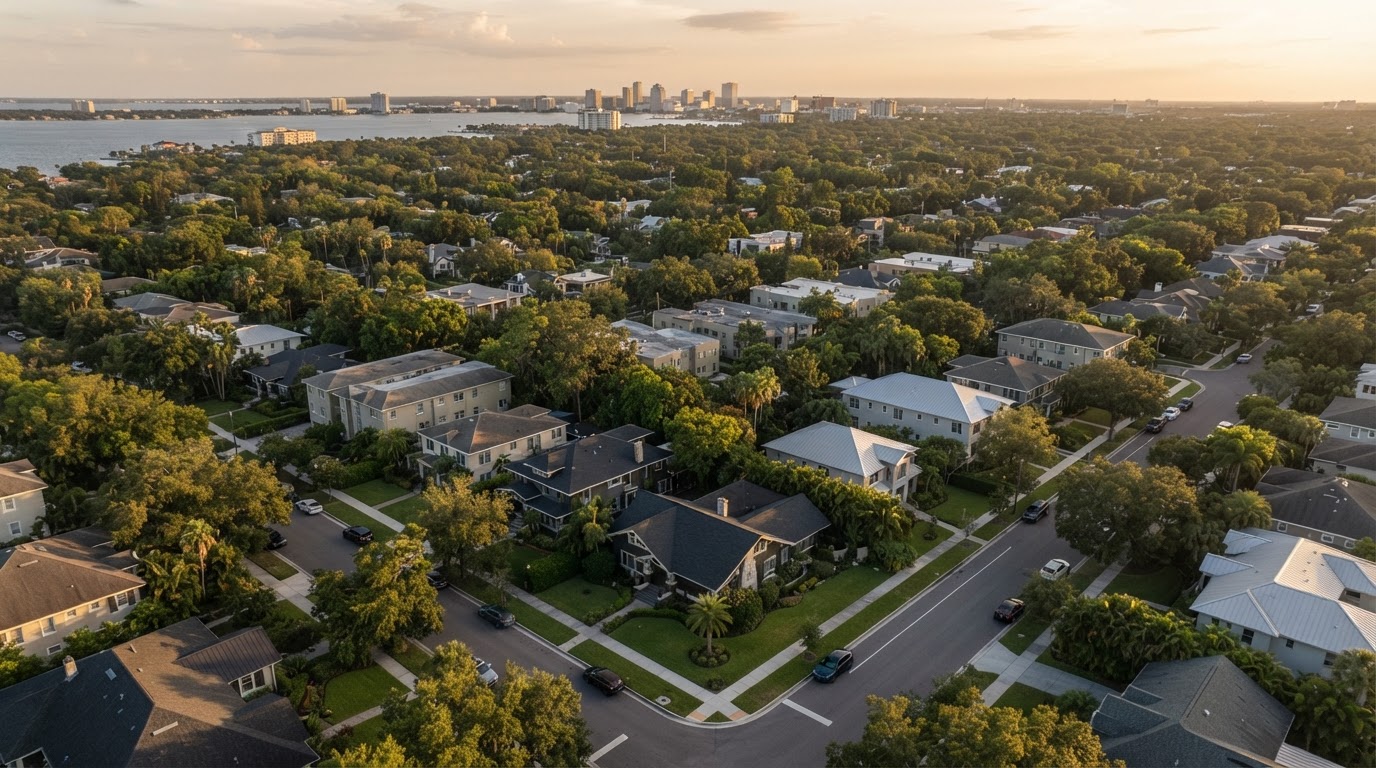
When you read about real estate, most of the news is big-picture: interest rates, statewide prices, national trends. Those stories are useful, but they don't tell you much about the specific street or neighborhood where you'd actually buy. Real estate is a local business, even when it's reported in national numbers.
Before we invest in an area, we look at the basics that matter over time: are people moving in, are there jobs nearby, is the city putting money into roads and utilities, and how much new housing is being built. These are the foundation. If the foundation is weak, it rarely matters how good an individual property looks.
Then we zoom in on the neighborhood itself — are nearby homes being fixed up, are new businesses opening, has the city changed any of its zoning rules lately? These small signals often show up before the bigger changes do. A row of recently renovated houses, a new coffee shop on the corner, or a small rezoning decision can tell you a neighborhood is turning before any national headline catches on.
We also look at what could go wrong. Is the area heavily dependent on one employer? Are there planned road projects that could cut off access? Is the school district stable? Understanding the risks is just as important as spotting the upside, because the downside is what actually hurts you.
The goal isn't to predict the future. It's to understand a place well enough to know whether a particular house or building makes sense for what we're trying to do. The same property can be a great fit in one neighborhood and a poor one in another, even when the numbers look similar on paper.
Taking the time to do this homework is what separates a real investment from a guess. We'd rather walk away from a deal than buy into a market we don't really understand.
Author
Emily Walton Robinson
Founder of EWR Management. Emily leads the company's investment strategy and operations, with a background in business strategy, marketing, and hands-on real estate ownership.