Central Florida
What Population Growth Really Means for Housing
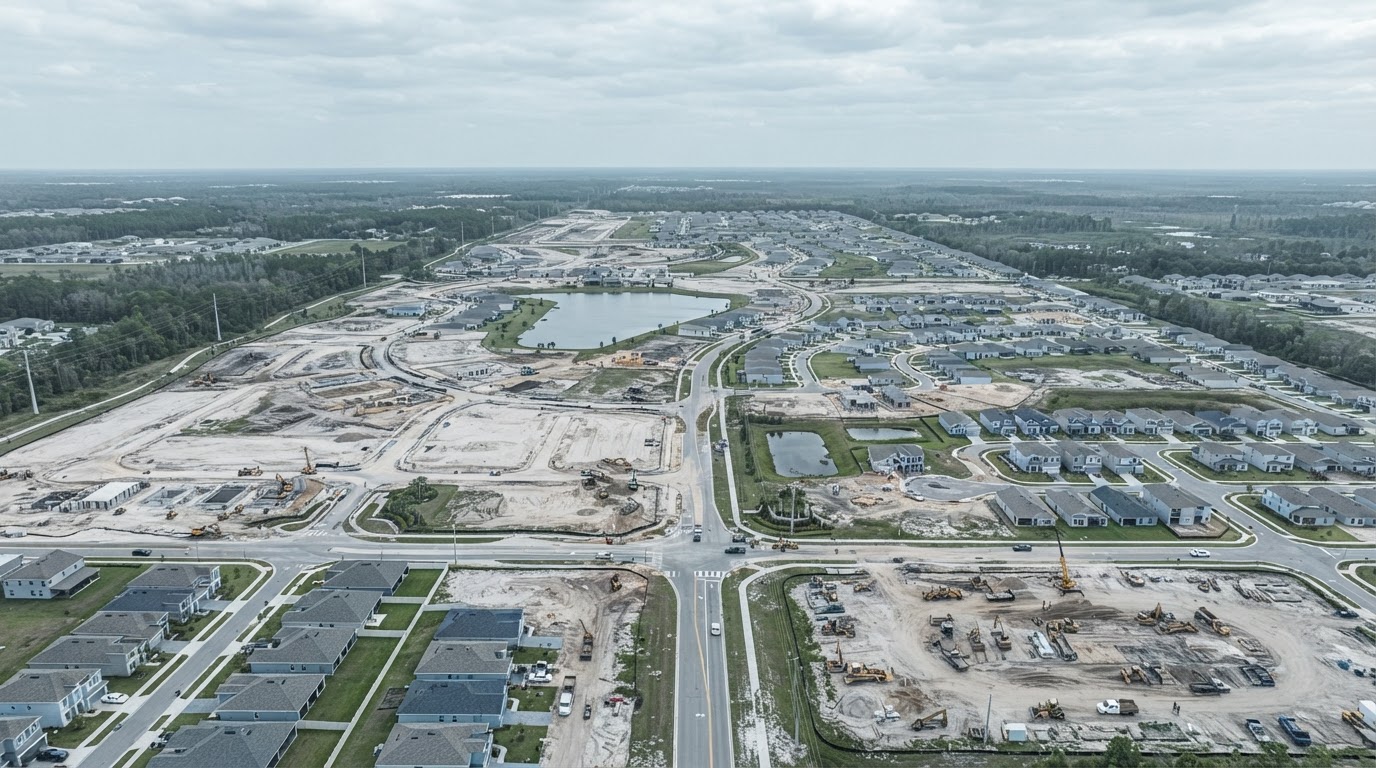
Central Florida has been one of the strongest population growth stories in the country for years. But the big numbers hide something important: growth isn't spread evenly across the region. It clusters in certain areas and corridors.
Knowing where new residents are actually settling — and what stage of life and income they're at — is what lets an investor get ahead of demand instead of chasing it. The communities absorbing the most new people aren't always the obvious, well-known ones.
We watch three things together: where people are moving, how many new households are forming, and where the jobs are. Housing demand follows all three. An area that's growing on paper but lacks jobs or good roads tells a very different story than one where all three line up.
It also matters what kind of housing those new residents actually need. A wave of young renters creates very different demand than a wave of families looking for single-family homes. Understanding who is arriving helps you understand what will rent or sell — and what won't.
Growth can also bring growing pains. More people means more pressure on schools, roads, and utilities, and that shapes what local governments allow next. The communities that manage that growth well tend to stay attractive longer, while the ones that don't can stall out. Watching how a place handles growth tells you a lot about its future.
Author
Emily Walton Robinson
Founder of EWR Management. Emily leads the company's investment strategy and operations, with a background in business strategy, marketing, and hands-on real estate ownership.